Ethereum Staking Surge Signals New Sector Rotation in Crypto Markets

Ethereum’s staking surge is quietly rewriting the crypto market playbook. While Bitcoin’s price steadies, ETH is pulling in a wave of fresh capital, and the ripple effects are already showing up across altcoins and DeFi protocols.
What’s driving the latest Ethereum staking boom?
Since the Ethereum Foundation announced a 7% boost to staking rewards (effective March 5, 2026), the amount of ETH locked in the beacon chain has jumped 12% in just two weeks, according to CoinGecko data. The higher yields are attracting both retail investors and institutional players looking for a low‑volatility yield source.
How is this affecting sector rotation within crypto?
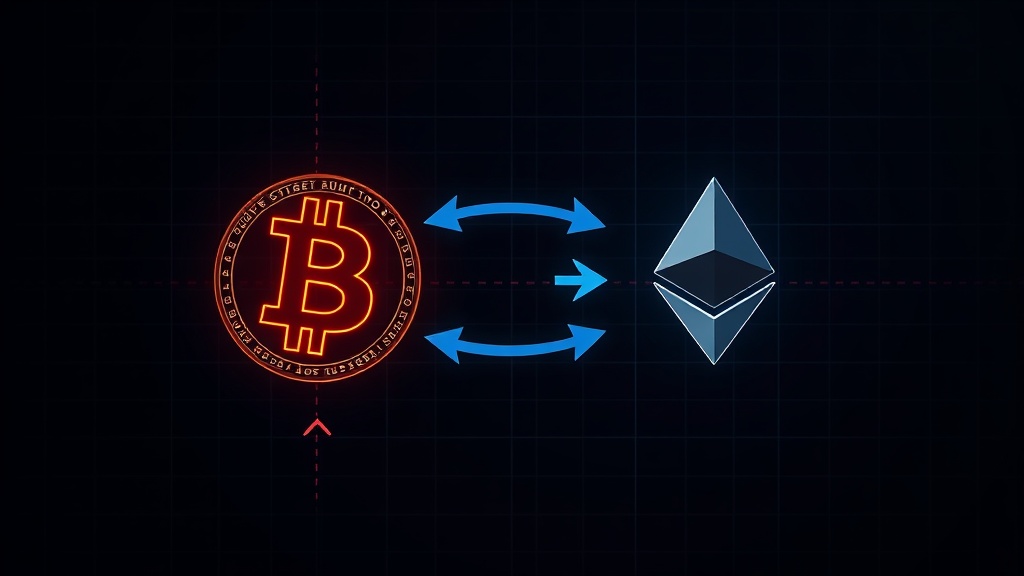
Historically, capital flows from Bitcoin to Ethereum and then to high‑risk altcoins. The recent staking incentive has accelerated the first leg of that cycle. Our own Evening Crypto Recap – March 16 showed BTC holding steady around $74K, while ETH surged past $2,200, narrowing the BTC/ETH price gap for the first time since Q4 2024.
Analysts at CFA Institute note that "when a major blockchain offers competitive staking yields, risk‑on capital tends to migrate toward that ecosystem," a pattern we’re now witnessing in real‑time.
Which sectors are feeling the ripple?
- DeFi Protocols: Protocols like Aave and Compound reported a combined 8% increase in total value locked (TVL) over the past week, driven largely by newly staked ETH being routed into liquidity pools.
- Layer‑2 Solutions: Optimism and Arbitrum saw a 5% uptick in transaction volume, as developers deploy more staking‑related dApps.
- Crypto Exchanges: Platforms that support ETH‑2.0 staking, such as Binance and Kraken, reported a 15% rise in staking participation rates, prompting them to expand staking product offerings.
What does this mean for investors?
If the staking incentive remains in place, we expect a continued outflow from cash‑heavy assets into ETH‑based yields. This could translate into:
- Higher ETH price support, potentially breaching the $2,500 resistance level within the next month.
- Increased demand for ETH‑denominated DeFi services, bolstering TVL metrics across the board.
- Potential short‑term pressure on Bitcoin’s market share as risk‑on capital rebalances.
How should you adjust your portfolio?
Consider the following tactical moves:
- Allocate a modest portion (5‑10%) of your crypto exposure to ETH staking pools on reputable exchanges or directly via the Ethereum 2.0 launchpad.
- Watch for DeFi yield‑farming opportunities that pair staked ETH with stablecoin liquidity provision—these often offer double‑digit APYs.
- Maintain a Bitcoin hedge of at least 30% to preserve upside potential while the sector rotation plays out.
What’s the regulatory outlook?
The SEC’s recent statement on crypto staking services (issued March 12, 2026) clarified that staking is not considered a security offering, provided the service does not promise guaranteed returns beyond the protocol’s native rewards. This regulatory clarity is likely to encourage more exchanges to roll out staking products, further fueling the rotation.
Takeaway
Ethereum’s staking reward hike is more than a simple incentive—it’s a catalyst for a broader sector rotation. By positioning yourself in the ETH‑staking ecosystem and related DeFi layers, you can capture upside while keeping a Bitcoin safety net.
FAQs
- What is the current ETH staking reward rate? As of March 17, 2026, the effective reward rate is roughly 7% annualized, up from 5.5% prior to the recent update.
- Is staking ETH risky? Staking carries smart‑contract risk and potential slashing penalties, but reputable exchanges mitigate these risks with insurance funds.
- How does staking affect ETH price? Higher staking yields attract inflows, which historically correlate with price appreciation, especially when supply on‑chain is locked.