
The Ultimate Guide to Risk Management in Crypto Investing

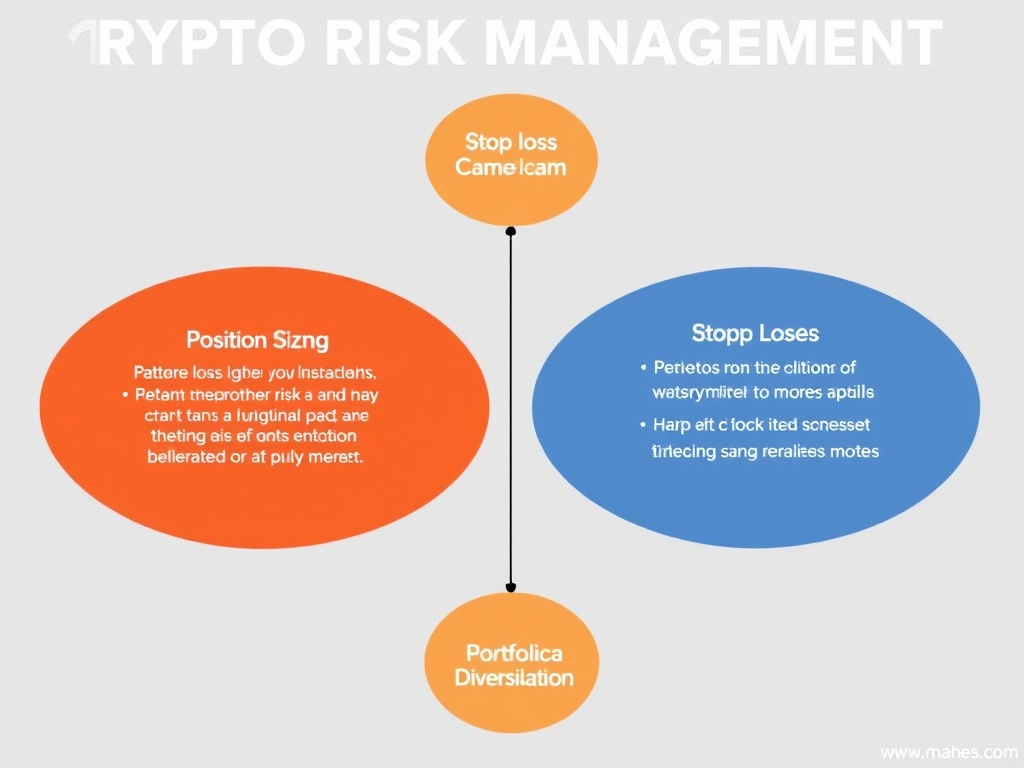
In the high-stakes world of cryptocurrency investing, managing risk is not just a good practice—it's a necessity. With the volatility inherent in the market, it's easy to get swept away by the FOMO (fear of missing out) and make rash decisions. This guide will help you navigate risk in crypto, focusing on practical strategies to protect your capital and maximize your returns.
### 1. Why Risk Management Matters in Crypto
Crypto markets are notorious for their volatility. A coin can pump 20% in a day, only to crash by 30% the next. This is why risk management is crucial. Without proper strategies in place, you might find yourself losing more than you're prepared for.
At its core, risk management is about protecting yourself from these drastic market swings. But it’s not just about limiting losses; it’s about strategically positioning your investments for long-term growth while minimizing the downside.
Let's break down the key components of effective risk management in crypto.
### 2. Stop Loss: Your First Line of Defense
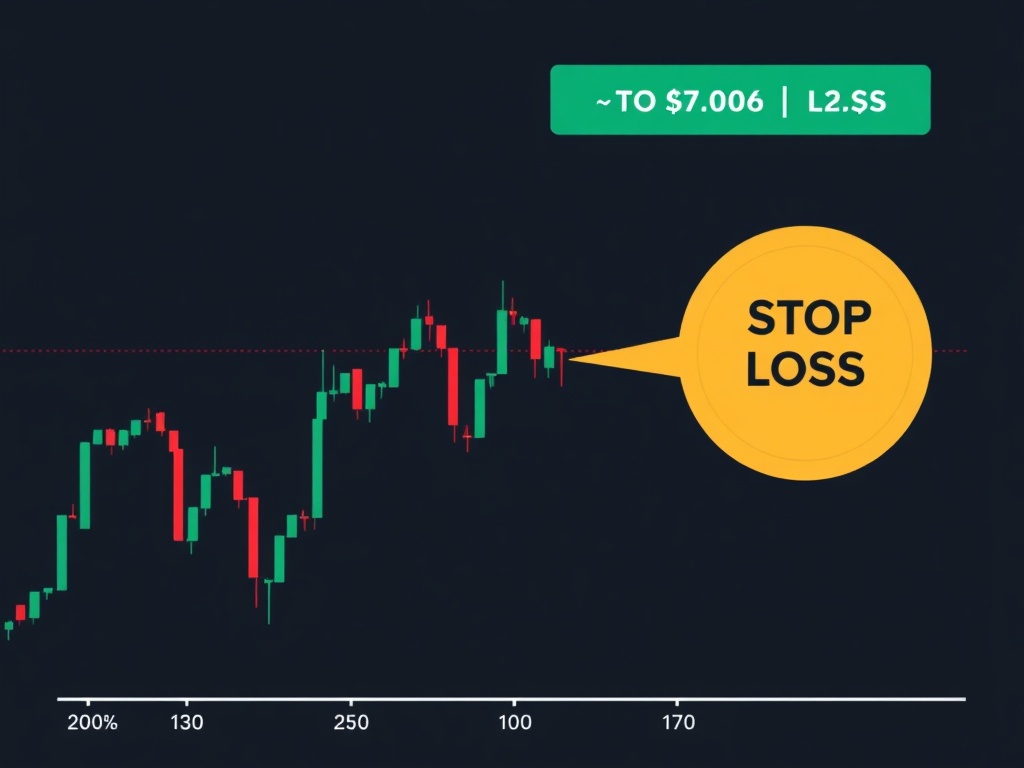
A stop loss is one of the simplest yet most effective risk management tools available to crypto traders. By setting a stop loss, you automatically sell a position if it falls below a certain price. This helps you avoid large losses in the event of a sudden market downturn.
However, setting the right stop loss is a delicate balance. Too tight, and you might get stopped out during market fluctuations. Too loose, and you risk greater losses. Understanding how to set your stop loss depends on your risk tolerance and market analysis.
### 3. Position Sizing: Don’t Bet the Farm
Position sizing is about determining how much of your portfolio you should allocate to each trade. This is a critical part of managing risk, especially in a volatile market like crypto.
As a general rule, no more than 1-2% of your portfolio should be exposed to a single trade. This way, even if a trade goes against you, it won't decimate your entire portfolio.
For example, if you have $10,000 to invest, risking 1% means you should only risk $100 on any given trade. This keeps your capital protected and allows you to survive even if multiple trades go sour.
### 4. Diversification: Don’t Put All Your Eggs in One Basket
One of the oldest adages in investing is that diversification reduces risk. This holds true in the crypto market as well. While Bitcoin and Ethereum may be your foundation, it’s wise to allocate a portion of your portfolio to other assets. This could include stablecoins, altcoins, or even different sectors of crypto like DeFi or NFTs.
However, diversification doesn’t mean spreading your investments too thin. Instead of owning dozens of coins, focus on a few well-researched assets with strong fundamentals.
### 5. Managing Volatility: Patience Is Key
Crypto markets are more volatile than traditional markets, and price swings can happen rapidly. In times of extreme volatility, it’s important not to panic. This means resisting the temptation to sell during market dips or chase pumps.
Patience is your friend in crypto. The market will always have ups and downs, and if you can stay calm during the downswings, you’ll be better positioned for long-term success. Stick to your risk management strategy, and let your trades play out according to your plan.
### 6. Risk/Reward Ratio: Know Your Limits
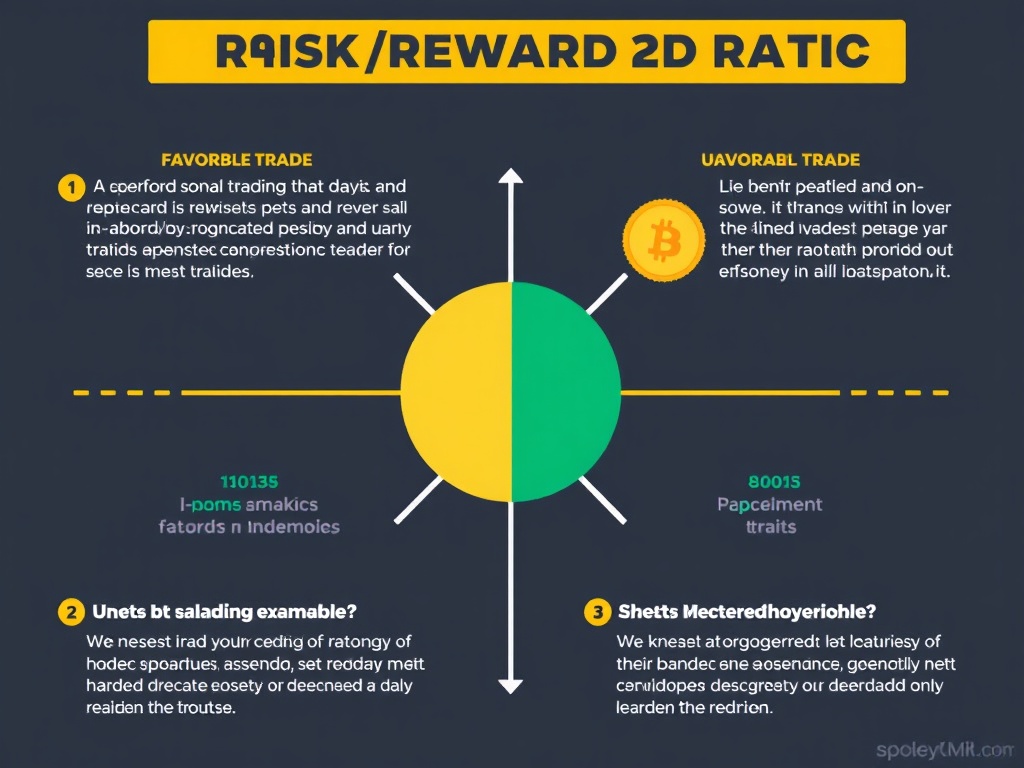
Before entering any trade, you should always have a clear idea of your potential profit versus your potential loss. This is known as the risk/reward ratio. A good rule of thumb is to aim for a risk/reward ratio of at least 1:3, meaning you're willing to risk $1 to potentially make $3.
By consistently seeking favorable risk/reward ratios, you can ensure that even if you lose some trades, your profitable ones will outweigh your losses in the long run.
### 7. Avoiding Scams: Stay Vigilant
One of the biggest risks in crypto isn’t just the price volatility, but the numerous scams that plague the industry. From Ponzi schemes to rug pulls, it’s essential to be vigilant and avoid getting caught up in fraudulent projects.
Some basic ways to avoid scams include:
- Never invest in projects with anonymous teams.
- Always check for audits, especially for DeFi protocols.
- Don’t fall for offers that sound too good to be true.
- Educate yourself about common scams (e.g., pump and dump schemes, fake ICOs).
By staying aware of common scams and conducting thorough research, you can minimize your risk of getting rekt by bad actors.
### Conclusion
Risk management is a vital skill for any crypto investor. By using tools like stop losses, position sizing, and diversification, and by maintaining a calm mindset during volatile times, you can protect yourself from significant losses and increase your chances of long-term success.
Remember, crypto investing is a marathon, not a sprint. The more disciplined you are with your risk management, the more likely you are to thrive in this volatile space.